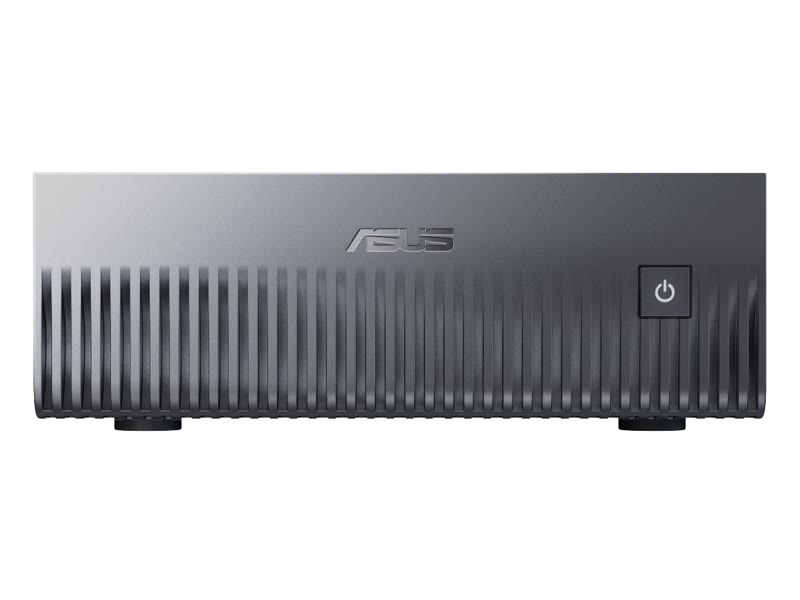
vonk
ASUS Ascent GX10
- NVIDIA GB10 Grace Blackwell
- 20-core Arm CPU
- 128 GB unified memory
- 1 TB SSD, up to 1 petaFLOP (FP4)
Runs every model: chat, code, images, speech, embeddings.
Bas Pijls
Software with agents, for and in education.
Every brick laid by hand. You know each one, because you put it there.
Fab Academy, Waag Amsterdam, 2022. Twenty weeks, eighteen assignments.
The last year before AI.
2022 to 2026
I kept making things, and step by step I let AI write more of them. Every step felt a bit like cheating.
I do itthe AI does it in the loop of write, apply, run, fix
Fab Academy ends. The last thing I built entirely by hand.
I copy code out of a chat window and paste the errors back in. It felt like cheating.
The HBO-ICT knowledgebase for students. Hundreds of commits, until 2025.
Autocomplete. Tab, tab, tab: it writes the next line, I write the rest.
tURLte on the web. A crowd controller: firmware, enclosure and a Python client.
I clicked Accept all changes
and eventually stopped reading all the code. I felt a little ashamed, like I'm not doing my job properly.
Hexagonal automata. An egg that is an iBeacon. A web MIDI sequencer. Spritecast. The ICT Fusion knowledgebase.
An ASUS Ascent GX10 for local models and a PC just for the agents. I learn security, infrastructure, version control. With Claude Code, the loop I was ashamed of runs by itself.
ASUS Ascent GX10
Runs every model: chat, code, images, speech, embeddings.
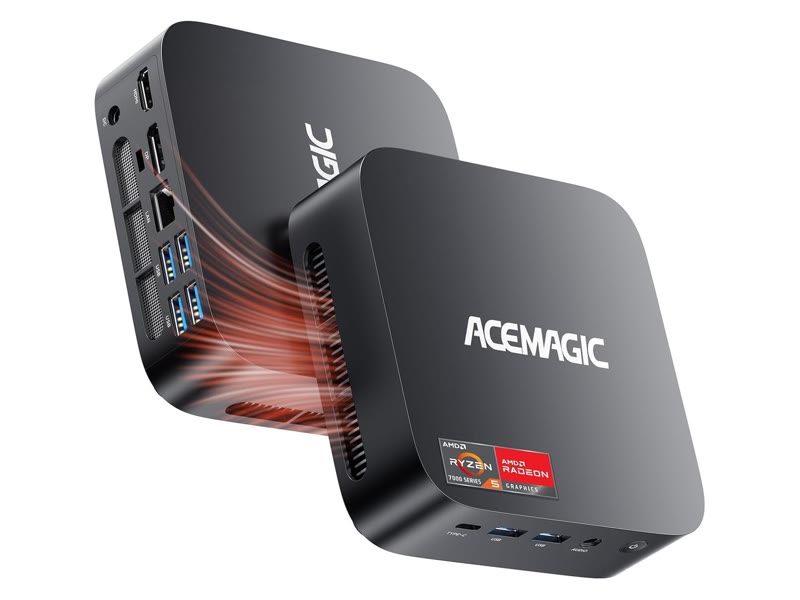
ACEMAGIC K1 mini PC
The agents' PC: builds, tests and hosts.
Photos: ASUS, ACEMAGIC
With my own hardware I could play with AI all day without counting tokens or watching a bill grow.
- The only way to learn is to play.
- The only way to play is when nothing is at stake.
So I played. That is how Game Babies happened.
The first thing I made on the new machines. Old arcade games crossed into new ones: one agent builds the offspring, another playtests it, a third keeps improving it. I only choose which ones to keep.
I didn't build those games.
I bred them.
It stopped feeling like building. It started to feel like farming: choose the seed, look at what comes up, keep the good ones, compost the rest.
Give me one word. A graph grows from it, and from the graph a report with pictures. No search, no internet, no sources: everything comes out of the models on my own machine. What else can a model give you on its own?
Plant a word with the audience. Grow a report in Dutch, as a flyer, as a poem.
Also on my own network, where the images are faster. Source code.
So I played. Useless things, cheap to fail, to find out what the models can do on their own and where they lie.
Eight months, mostly next to teaching. I wrote almost none of this code. Can I be proud of it?
/plan usedWhat I actually typed. Almost never "write this function". Mostly deciding, checking, integrating and running.
I predict it is still buggy.distrust
I still find no evidence the wikipedia grounding actually works.ask for proof
Close the loop: check the generated mermaid code just by running it.build feedback loops
The interface is entirely too verbose.taste, said ten times
No student data should be sent to Claude.ethics can't be delegated
Grow exactly what your own lesson needs, in a day, instead of bending the lesson to the tool that exists. No accounts, no student data stored, one link.
An exercise, a class list or a diagram is packed into the part of the URL after #, which browsers never send to a server. Share it as a link or a QR code; whoever opens it has everything.
#fragment// design-system/…/codec.js (shortened)
export async function encode(payload) {
const json = JSON.stringify(payload);
const packed = await pipe(json,
new CompressionStream('deflate-raw'));
return toBase64Url(packed);
}
// a Flowslate exercise for students:
// flowslate.ict-hva.nl/#p=7VjbbtswDP0V…Students keep their notes and websites in their own GitLab project. The browser talks to the GitLab API directly with the student's project token; a save is a commit, publishing is GitLab Pages. The token can be locked with a passphrase and never leaves the browser.
PRIVATE-TOKEN// noted/src/sync/gitlab.js (shortened)
await fetch(`${url}/api/v4/projects/${project}`
+ '/repository/commits', {
method: 'POST',
headers: { 'PRIVATE-TOKEN': token },
body: JSON.stringify({ branch,
commit_message: `Noted backup ${now}`,
actions }), // every note as .md
});AI for running education. When software is cheap it is tempting to build a system that rules a messy organisation. Fast iteration only helps if you aim at simplicity. And student data only ever goes to models we host ourselves.
Code labs and experiments: overly verbose, not yet well tended, some not usable at all.
One machine in a cupboard. Every project starts from the same template, talks to the same local models, and is checked by the same runners.
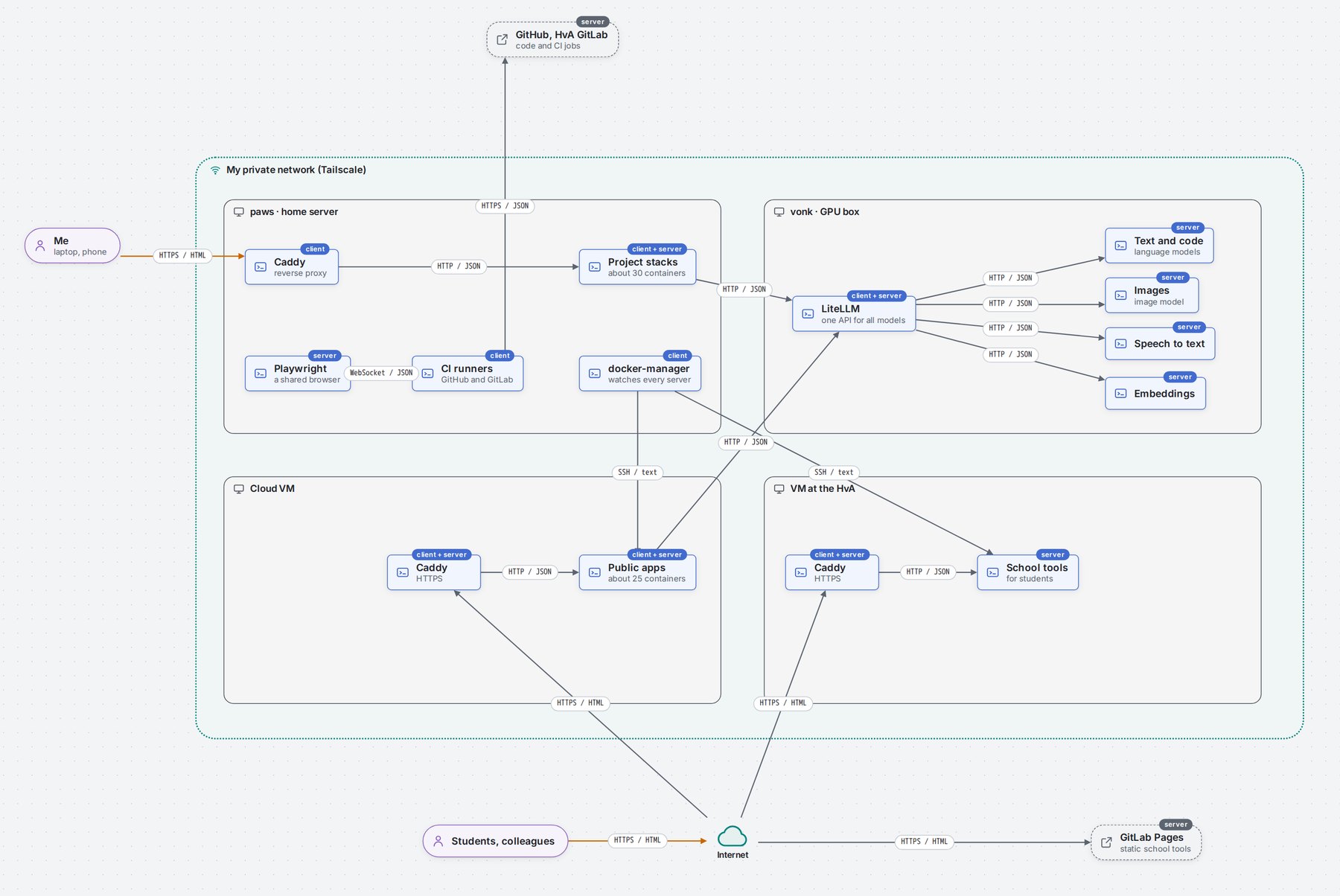
Four machines on one private network. A home server builds, tests and hosts. A GPU box serves every model. A cloud VM and a VM at school put the public apps online, and docker-manager keeps an eye on all four.
Not only developers, and not only for school. Soon everyone has a patch: things I wanted for myself, grown in my own time.
Most people stop at the first wall: hosting, identity, data, privacy. These are the bridges, small enough to build ourselves.
Our curriculum already names most of this, but as a side subject: an AI article in some profiles, a criterion at the bottom of the list. Farming makes it the main work.
Our students won't lay bricks.
They'll run farms. Let's teach farming.
6 projects: from the first prompt to today:
- what I asked for,
- how it grew,
- what I did to keep it good.